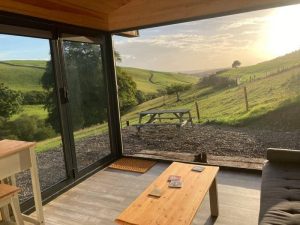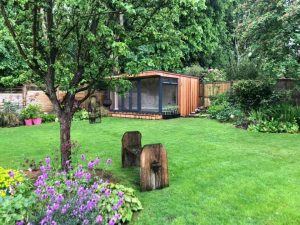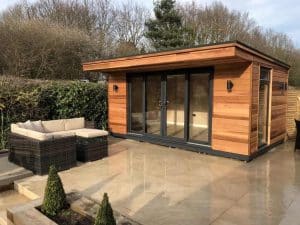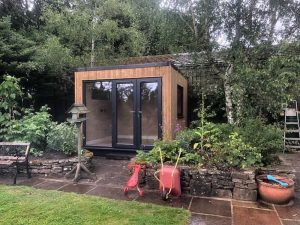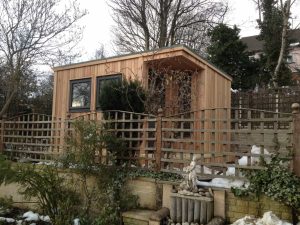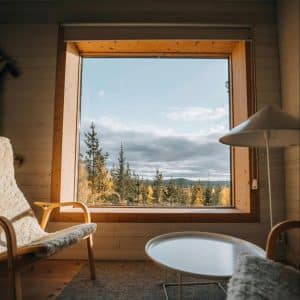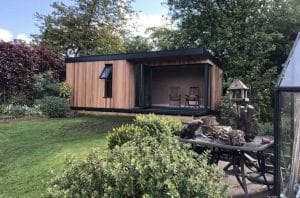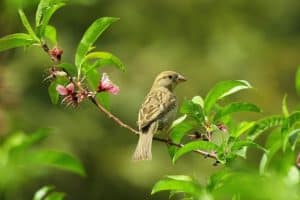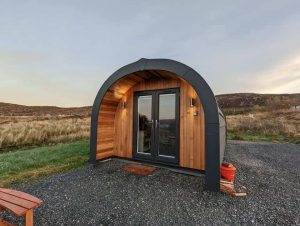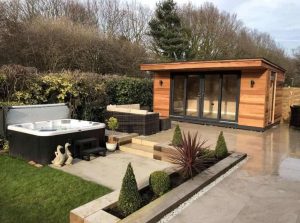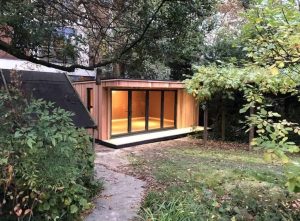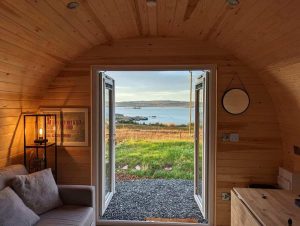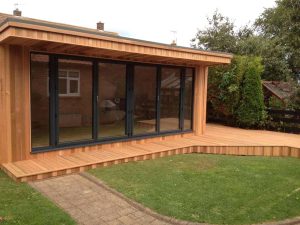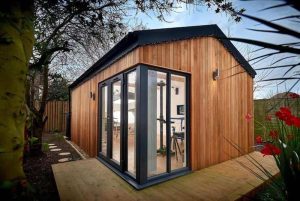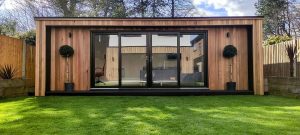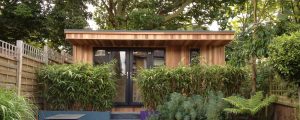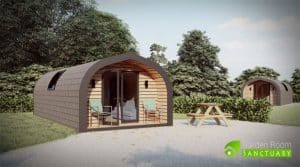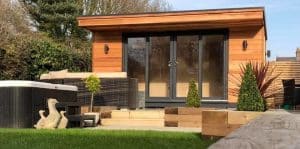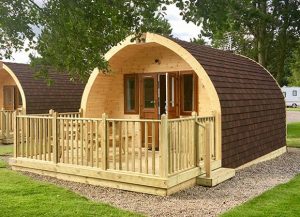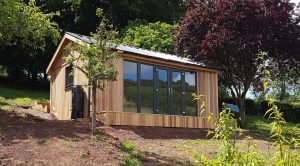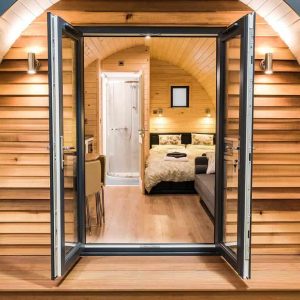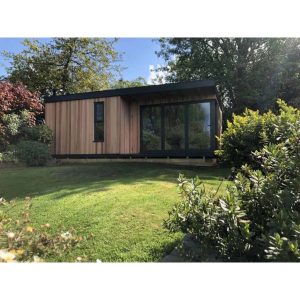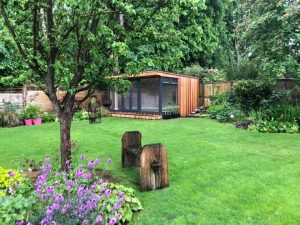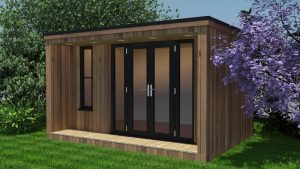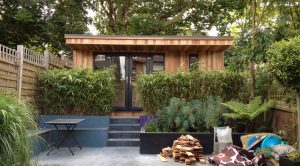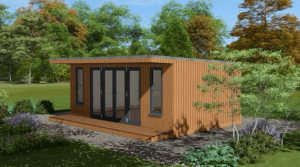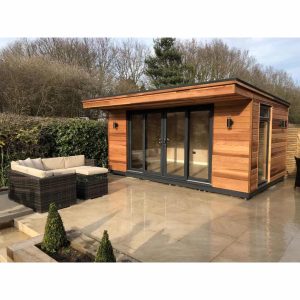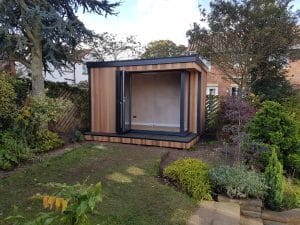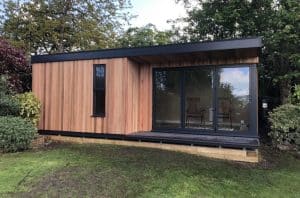








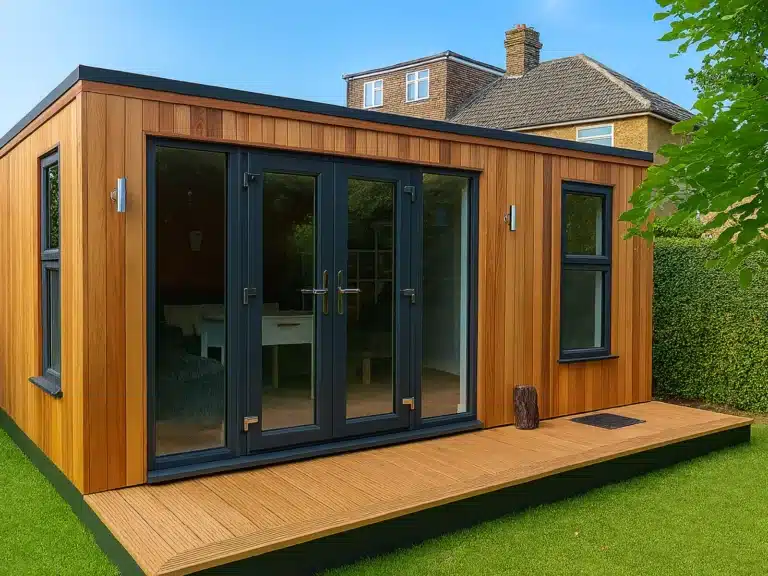
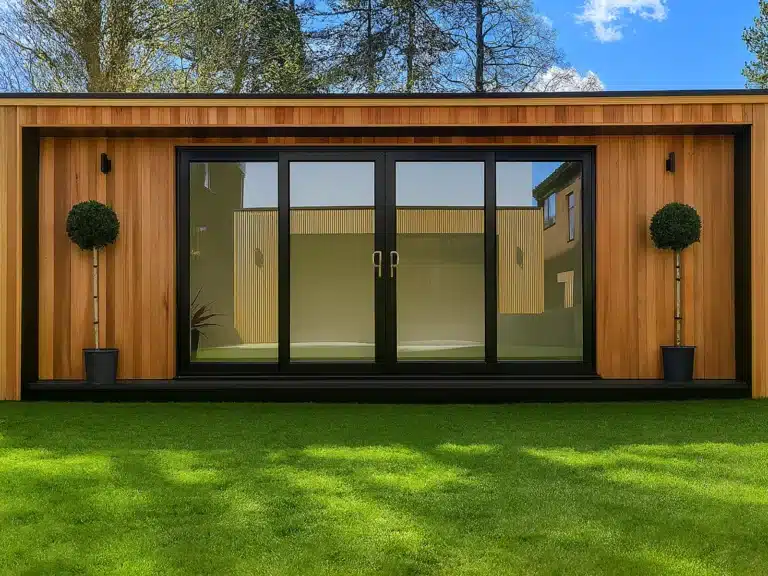
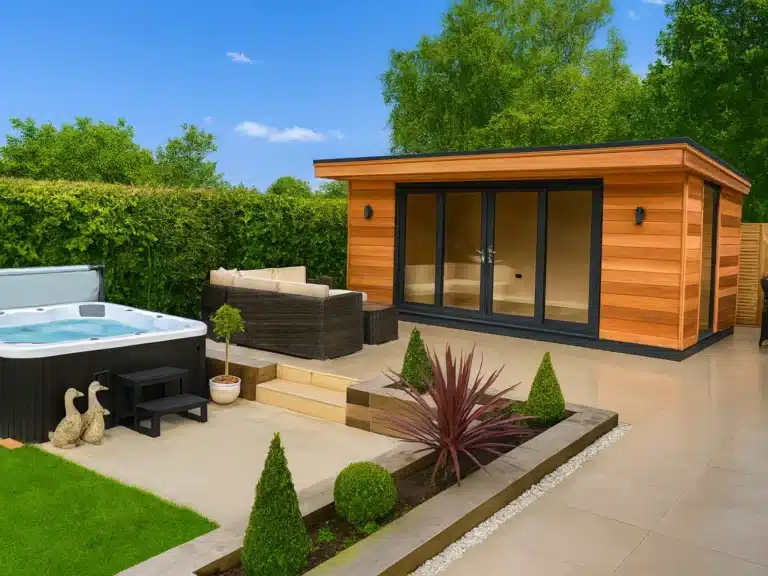
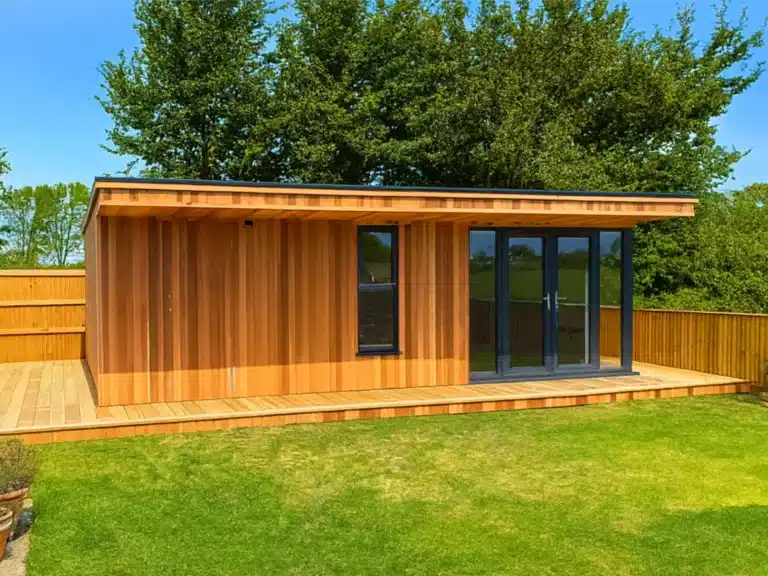
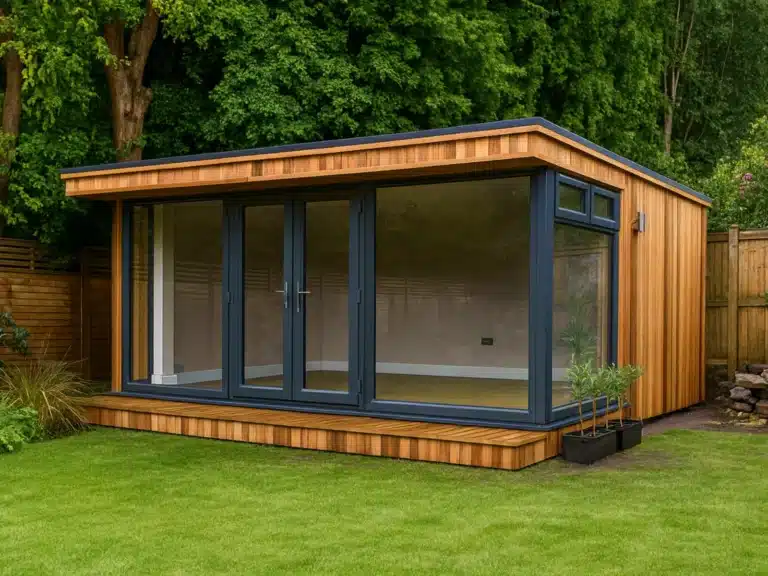
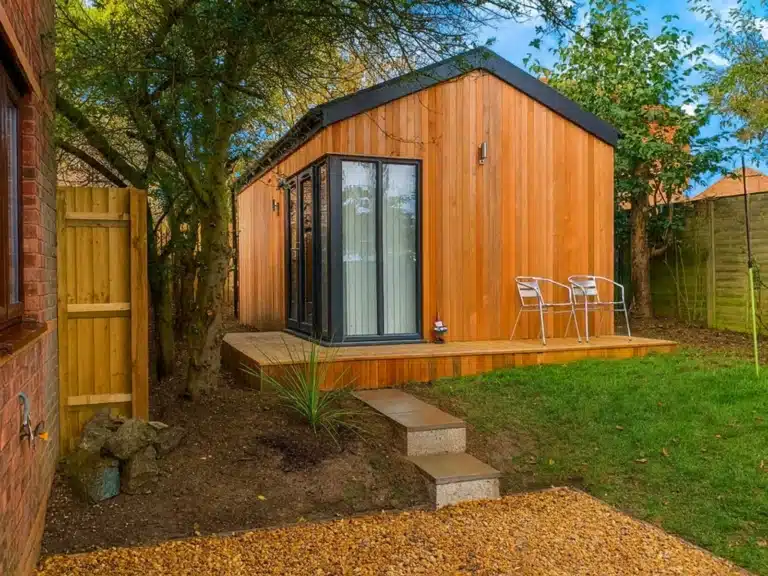
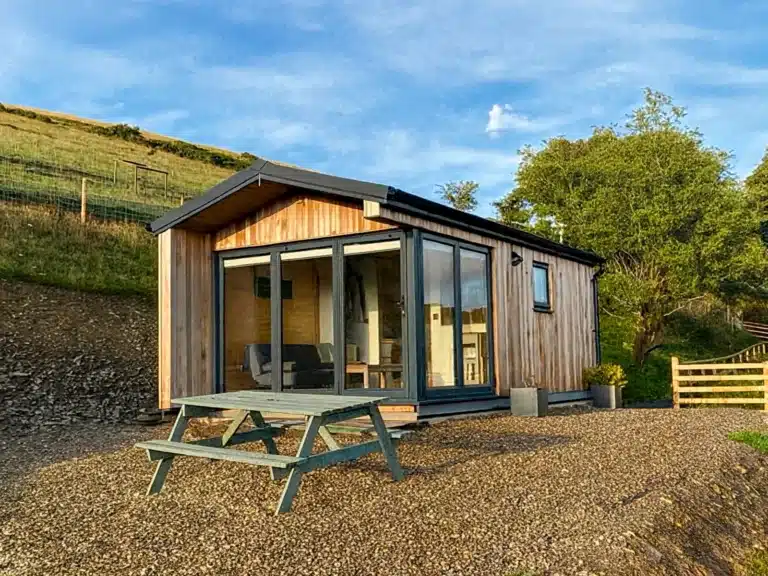
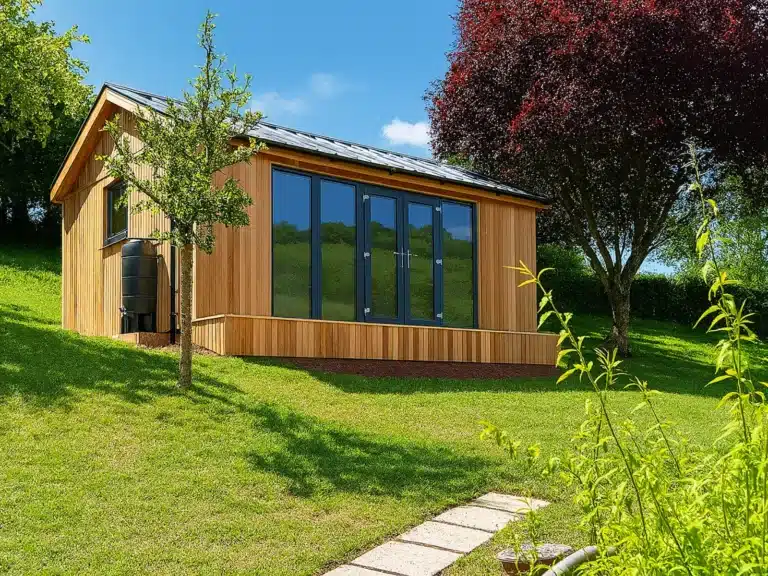

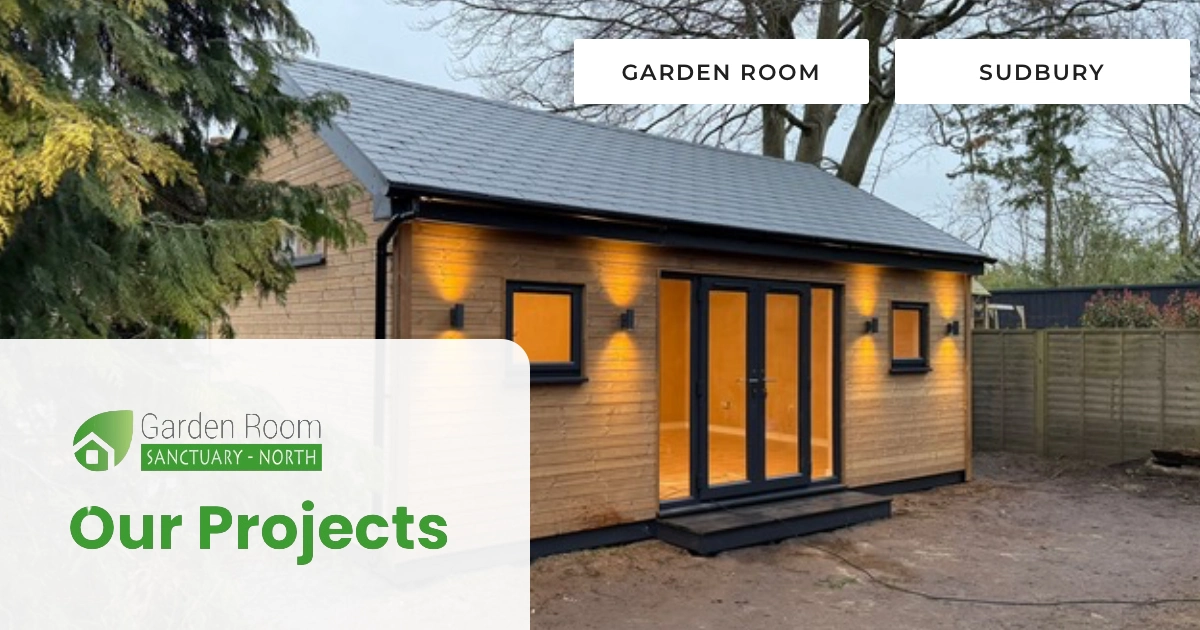
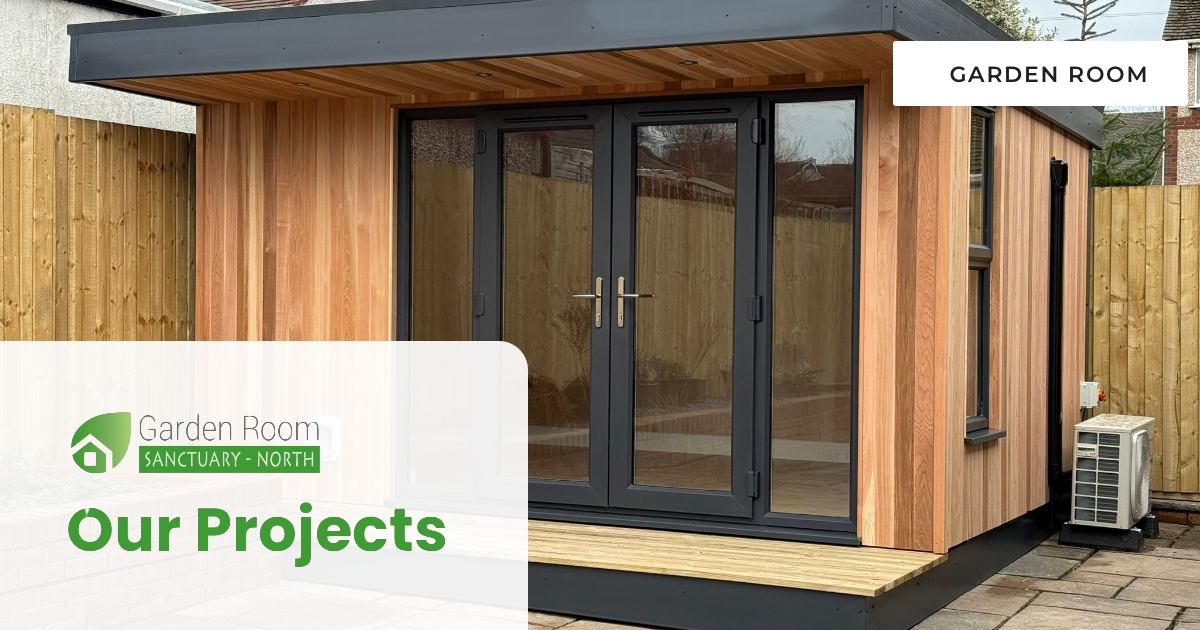
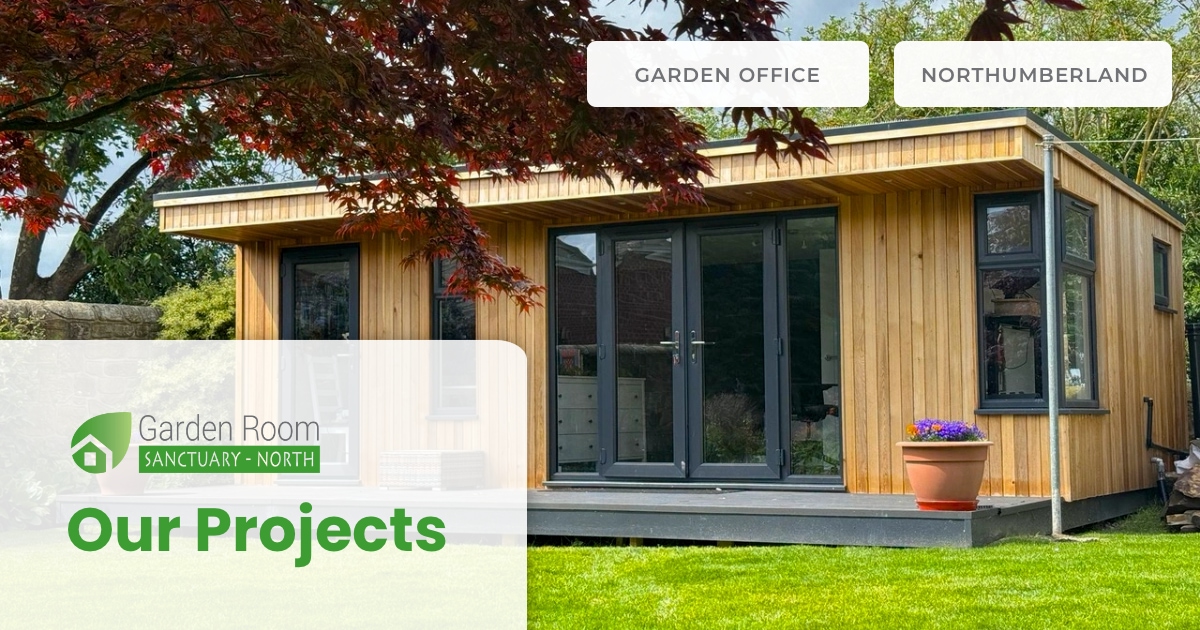
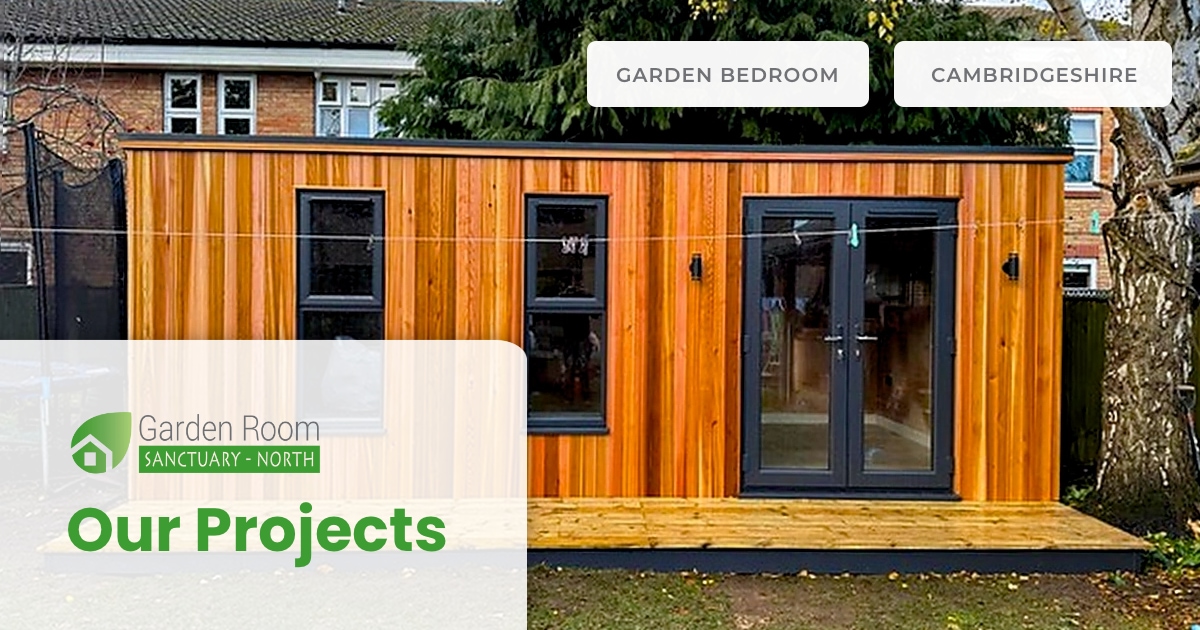
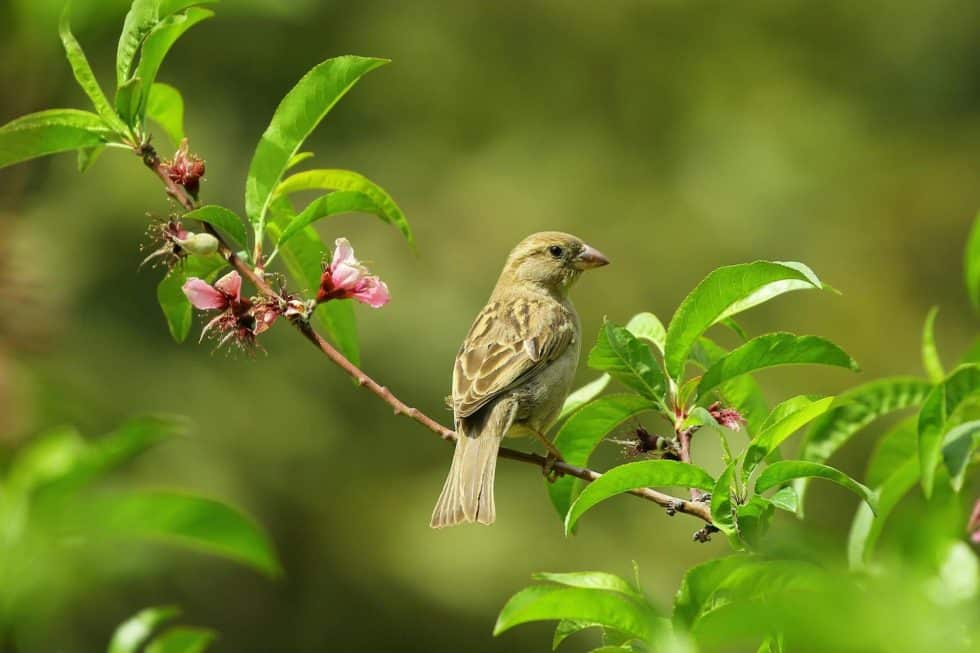
There are all kinds of reasons why people love garden rooms. They’re versatile, comfortable, functional, and visually appealing, helping you to maximise the use of your available space. But they also take you a little closer to nature. Positioned within your garden, with large windows providing expansive views, a garden room can be an inspiring place to work or relax. But if you really want to enjoy the sounds of nature from your garden room, you need to cultivate a habitat that the local birds will find welcoming. These are our top tips to help you do just that.
How to Create a Bird-Friendly Space Around Your Garden Room
1. Create the right environment
If you want to attract birds to the area around your garden room, you need to think about the things that birds like and need. So, trees, shrubs, and bushes to provide resting places and hiding spaces. Planted areas with open soil beneath, to attract natural food sources. Grassy or mossy areas, so they can find plenty of nesting materials. Add a water source. Birds love shallow ponds that they can drink out of and bathe in. But a water feature or bird bath can work just as well, as long as the water is kept clean and easily accessible. Lastly, don’t be too tidy. The longer your grass and the wilder your planting, the more places the birds have to hide.
2. Think natural
With gardens come pests. But if you’re wanting to attract birds – and potentially other wildlife – that’s great. Because those pests are the best possible bird food. From slugs to aphids, they all provide a hearty meal for a whole range of birds. So, don’t be tempted to break out the pesticides or herbicides. And definitely no slug pellets. Not only will they take away a vital food source for visiting birds, you may inadvertently kill some birds in the process.
3. Give them a home
Whether you install dedicated bluetit boxes, or leave some empty pots somewhere sheltered for robins, one of the best ways to attract birds is to provide somewhere safe for them to nest. Space your boxes a good distance apart. Provide different nesting types and materials. If you have a pet, put some of the hair you’ve groomed from them in hangers in the garden, so the birds can use it in their nests. Wool insulation from food delivery boxes works well too!
4. Provide food
Bird feeders can be invaluable to a wide range of birds throughout the year. Providing a much-needed energy source in the winter months, or when breeding and raising chicks. And you can tailor your food types according to the birds in your area.
- Sunflower seeds and mealworms are a good all-rounder.
- Peanuts are favoured by tits.
- Blackbirds enjoy flaked maise.
- Goldfinches particularly enjoy niger seeds.
- Woodpeckers love fat balls and peanuts.
Just don’t forget to keep your bird feeders clean. If you don’t, harmful bacteria can quickly form.
5. Consider using bird tape on your doors and windows
While we love glass for the natural light and views it can bring to a space, it can be deadly for birds. Unable to see that it is there, birds can fly into glass at speed, causing horrific injuries. With the use of bird tape, you can keep your views while ensuring that none of your feathered friends get injured as a result.
6. Beware of ground nesting birds and fledglings
During nesting and fledging season, birds are particularly vulnerable. So, it’s really important to provide plenty of groundcover. And to keep your pets away from any areas birds might be nesting, or fledglings might be finding their wings. And if you see a seemingly abandoned nest or fledgling, don’t touch it. The parents may just be hiding from you. Stay back, give them time. And only intervene if you absolutely have to.
7. Minimise outdoor lighting
This is probably the most difficult part of having a wildlife garden, because outdoor lighting looks fabulous! But the more lighting there is in your garden, the less welcoming it will be to birds and other creatures. It’s both disorienting and disruptive. You can minimise its impact by favouring blue or green outdoor lights. But the best option is to avoid it as much as possible.
8. Talk to your neighbours
If you’re trying to encourage birds into your garden, tell your neighbours what you are doing. They may want to do the same. Or they may be willing to reduce their own use of pesticides and herbicides to help improve your efforts. Equally, they may not be interested in the slightest. But by starting the conversation and raising awareness, you may just trigger a small green revolution in your neighbourhood.
The British Trust for Ornithology has recognised gardens as a vital resource for birds. And the most recent RSPB Breeding Bird Survey suggested that 62% of the House Sparrow population, 54% of the Starling population, and 33% of the Blackbird population breeds within human-occupied sites – in other words, our gardens. By creating a wildlife friendly environment within your garden, you could be making a real difference. At the same time as providing yourself with a lot of pleasure.
Are you looking for a garden room to put in your personal wildlife haven? Check out the full range of customisable garden rooms available from Garden Room Sanctuary North.