















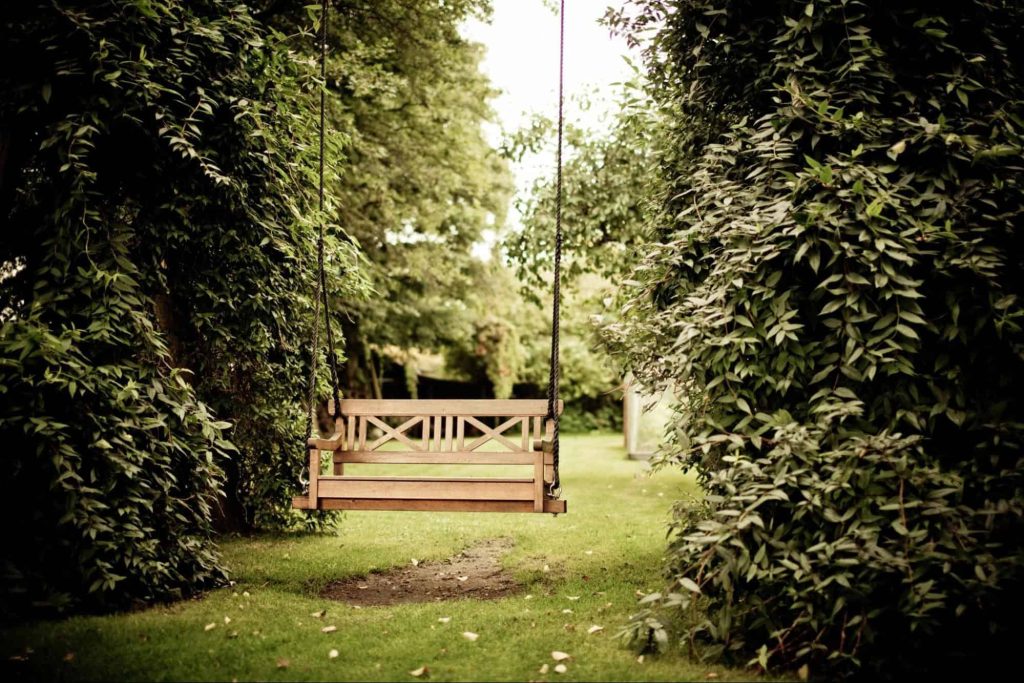
A garden can be an enormous asset to a homeowner. It not only provides a place of peace, fresh air, and prettiness, it can add real financial value to a home. Particularly if properly maintained and used well. But what many people don’t realise is that there are a host of laws pertaining to gardens and their uses. And if you don’t abide by them, they can both land you in hot water, and be the cause of numerous neighbourly disputes.
So, what do you need to know to keep the gardens peaceful in your neighbourhood?
Six Legalities You Need to Know About Your Garden
Know your boundaries

There are around 1,000 boundary disputes in the UK each year. Usually relating to lost or unclear documents. Or boundaries that have shifted over time, due to poor fence/hedge maintenance. The problem is that there is no legal requirement for physical boundaries to be maintained. So, many homeowners let them slip. But if they’re not, you can find yourself facing court action (and hostile neighbours) to maintain or retrieve your rightful property.
Hedge your bets

That said, if you rely on hedges to define your boundaries, they can bring their own set of problems. Where a hedge divides two properties, you may only cut your side. So, if you wish to have a hedge that sits at 4 feet hight, but your neighbour prefers to let their side grow, there’s nothing you can do about it. And if you were to cut their side without their permission, you’ll be breaking the law. If a neighbour’s hedge grows into your garden, however, you are able to cut it back to the boundary. But you must return the clippings to your neighbour… Which may seem petty and entirely counterintuitive.
Trees and overhanging branches

The same laws apply to trees. You have a right to cut any tree branches that overhang your property. But, again, you have to hand over the waste. So, don’t be surprised if your neighbour hacks at your beloved cherry tree, then hands you a bag of debris to dispose of.
Forbidden fruit

And on that subject… If you decide to pick the fruit of a tree or bush that overhangs your garden, you are also legally obliged to hand it over to your neighbour. However, it’s always worth remembering that if you ask nicely in advance, most people are likely to let you keep any fruit that falls on your side of the fence.
Garden buildings

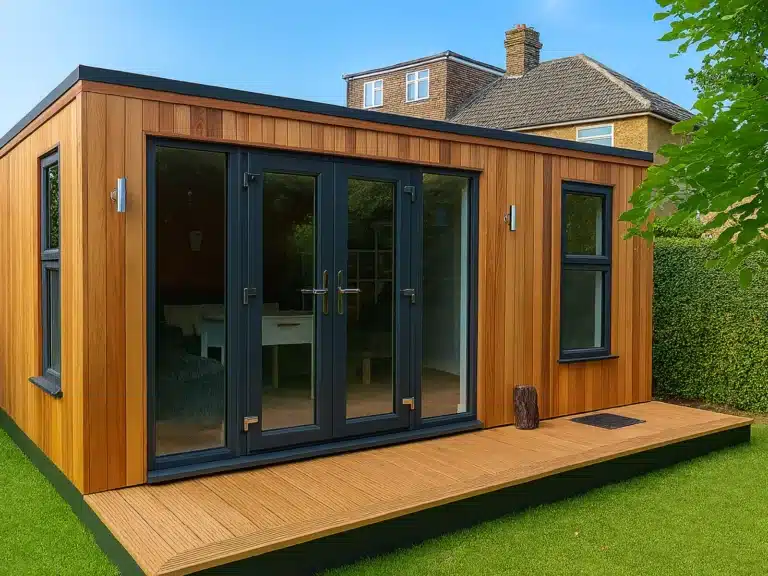
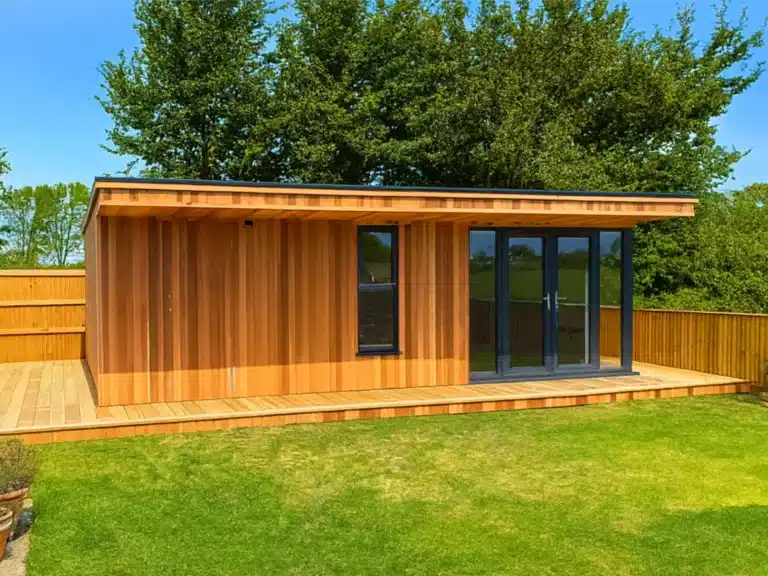
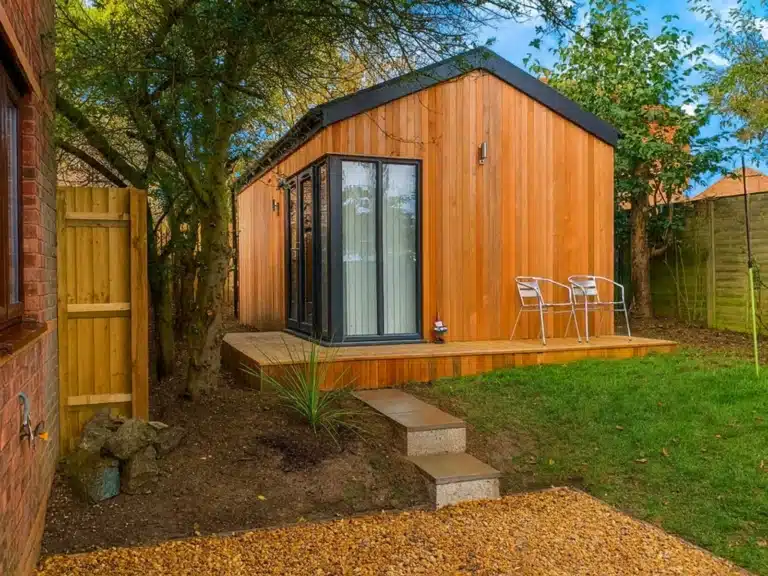
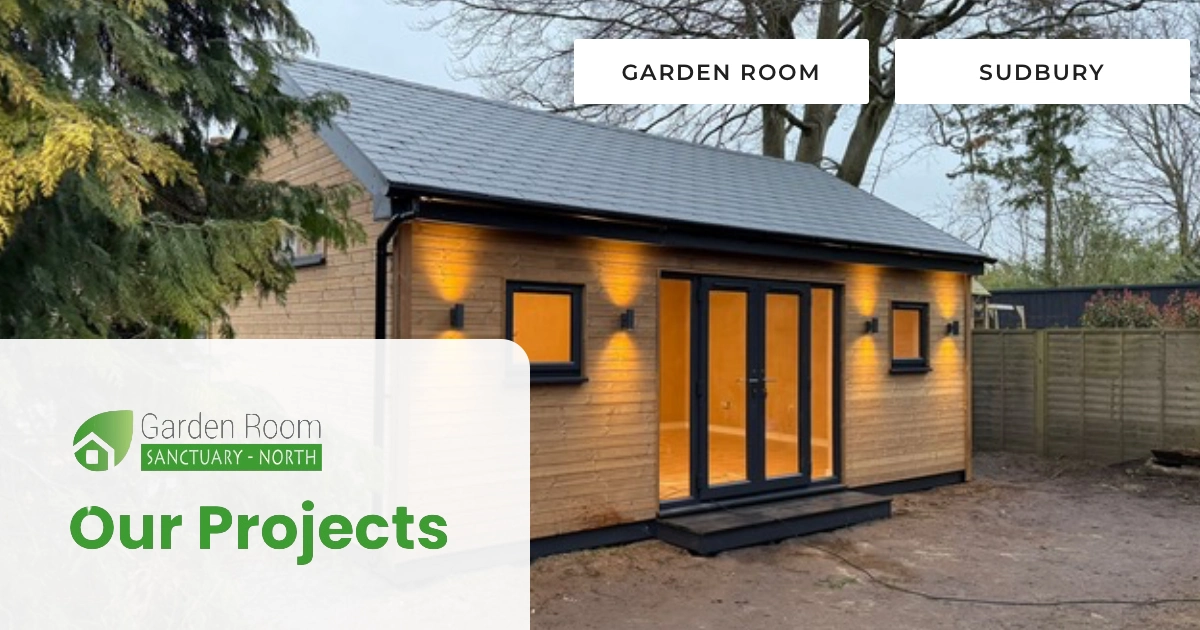
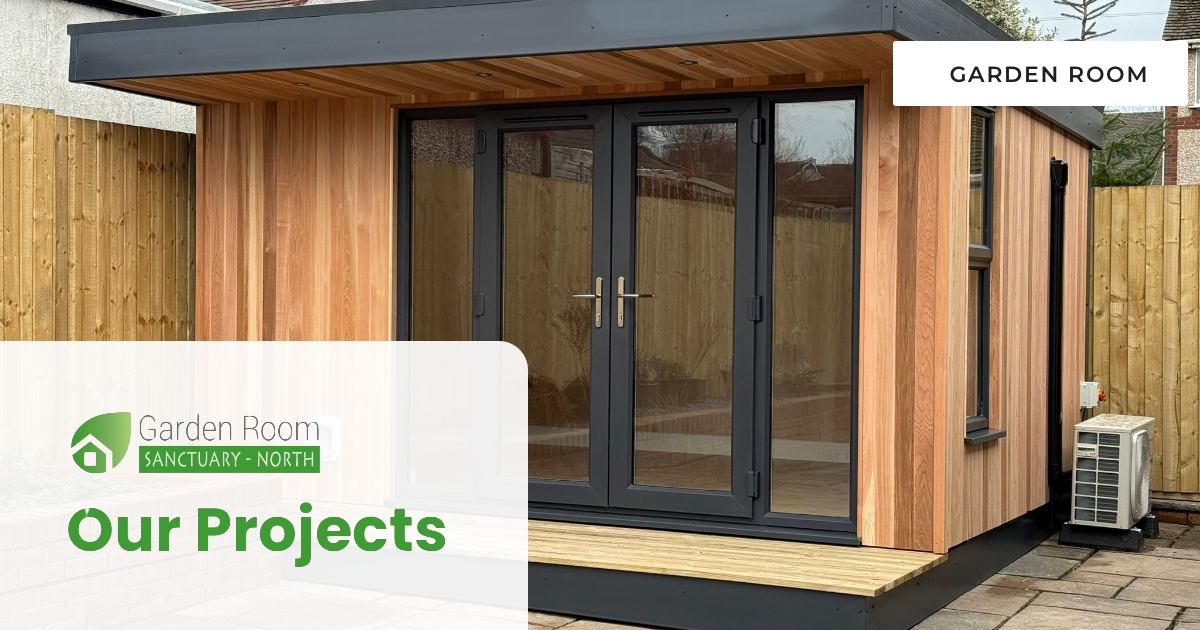
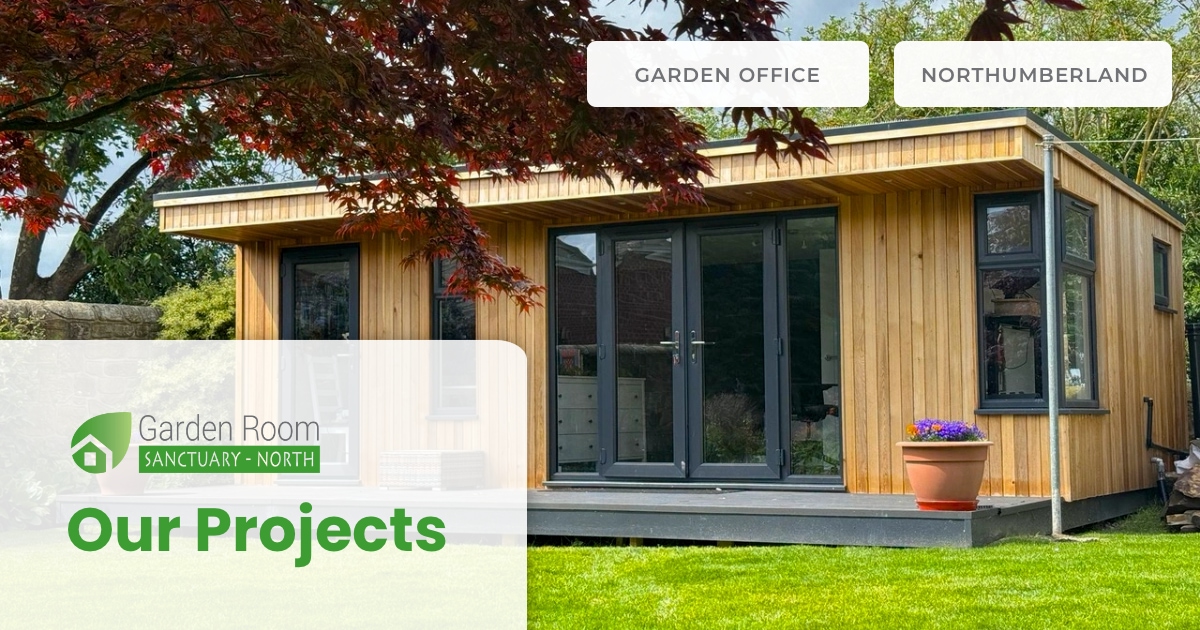
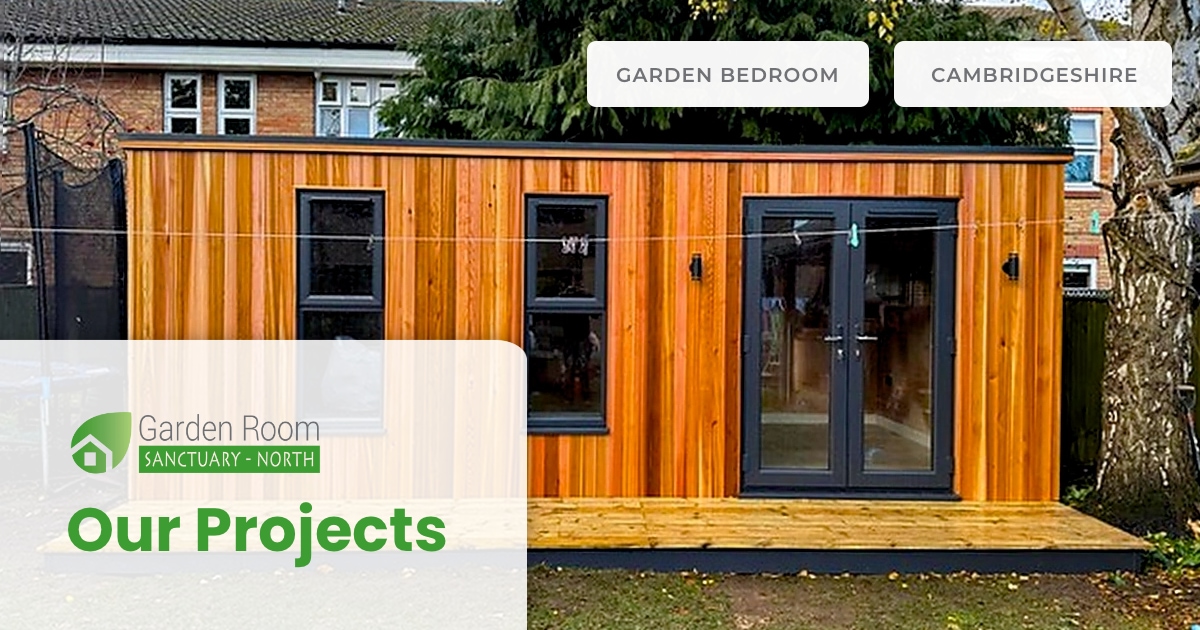
Many homeowners are deterred from potentially hugely beneficial home improvements by the daunting prospect of planning permission. But a whole host of garden buildings, from the simple shed to deluxe garden rooms, fall into the category of permitted development. That is, garden structures that can be installed without planning permission. As long as the building fits within the criteria of your local planning authority, you are free to build as you please.
Respect privacy

If you are going to install a garden room, you must ensure that it doesn’t infringe on your neighbour’s privacy. So, if you are utilising some raised land at the bottom of your garden, make sure that your windows aren’t overlooking your neighbours. And the same premise can apply to other installations too. Including high-rise slide platforms. Or children’s trampolines abutting low hedges.
There are so many advantages to having a garden. But there are also many little things that can inadvertently spoil it. Including disputes with your neighbours. So, if you’re unsure, it’s always a good idea to check the legalities before you do anything major in your garden. And even if something is legal, talk to your neighbours to let them know what you’re doing before you start. That way, you stand a good chance of keeping everyone happy.